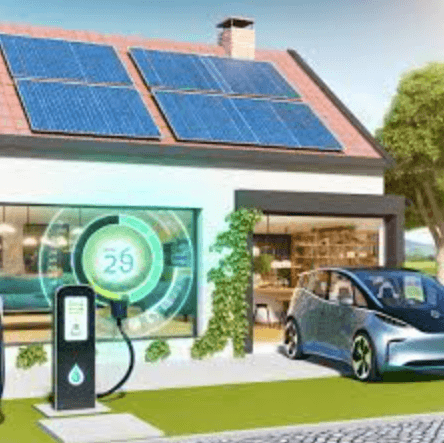
Smart technology supports energy conservation by automating routine decisions and aligning operations with real-time data. Sensor-driven controls optimize lighting, HVAC, and equipment use, yielding measurable load reductions. Data streams enable rapid, evidence-based policy and governance that balance reliability, cost, and user autonomy. Modular, transparent metrics help set targets for peak shaving and emissions reductions. The approach scales from buildings to grids, while preserving independence, yet questions remain about implementation, resilience, and equitable outcomes.
How Smart Tech Reduces Daily Energy Waste
Smart technologies reduce daily energy waste by automating behavior and optimizing system operations in real time.
A detached analysis highlights emissions reductions and cost savings from adaptive controls, occupancy sensing, and contingency protocols.
Energy dashboards illuminate consumption patterns, enabling individuals to question routine decisions.
How Real-Time Data Drives Conservation Decisions
Real-time data streams enable rapid, evidence-based conservation decisions by translating continuous energy use into actionable metrics. Policy analysts assess variability, demand curves, and peak-shaving opportunities through smart meters and real time analytics.
This approach supports transparent governance, informs tariff design, and prioritizes scalable interventions, while preserving autonomy and market freedom for households and enterprises pursuing energy stewardship.
Which Devices and Systems Maximize Savings
In evaluating which devices and systems maximize energy savings, the analysis concentrates on equipment with proven efficiency gains and measurable load reductions.
Smart lighting and energy dashboards enable granular control and real-time feedback, supporting utility-scale savings and individual autonomy.
Priority is given to demand-responsive controls, sensor-driven HVAC optimization, and scalable automation, balancing reliability, cost-effectiveness, and user freedom in policy-aligned implementations.
Designing a Smarter, Resilient Energy Routine
Designing a smarter, more resilient energy routine hinges on integrating data-driven practices, validated by empirical performance, to reduce demand while maintaining reliability. The approach emphasizes transparent metrics, modular controls, and policy-aligned targets. Smart scheduling reduces peak loads without constraining user autonomy, while adaptive thermostats align comfort with efficiency. Evidence-based planning fosters resilience, ensuring predictable outcomes amid variability and evolving energy landscapes.
Frequently Asked Questions
What Are the Upfront Costs and Payback Periods for Smart Energy Systems?
Answer: Upfront costs vary widely, typically including hardware, installation, and integration, with a payback period ranging from 3 to 10 years depending on system size and incentives. Privacy concerns and data security must be weighed in policy planning.
How Do Smart Devices Protect Privacy and Data Security at Home?
Smart devices protect privacy and data security through privacy safeguards and data encryption, analysts note. They emphasize robust authentication, regular firmware updates, and conduct risk assessments, supporting informed consumer choice while maintaining autonomy and control over personal information.
Can Smart Tech Integrate With Older, Non-Smart Appliances?
Stating plainly, yes: smart tech can integrate with older appliances through retrofit modules and hubs, though effectiveness varies. It analyzes integrating efficiency, retrofit compatibility, and user freedom, supported by evidence-based policy considerations and practical, analytical evaluation of compatibility challenges.
What Maintenance Is Required to Keep Energy-Saving Systems Effective?
Maintenance scheduling and routine system calibration are essential to keep energy-saving systems effective; regular audits, component replacements, and data-driven adjustments support consistent performance while enabling informed, freedom-oriented policy decisions about reliability and cost efficiency.
See also: How Smart Technology Is Transforming Urban Living
Do Smart Systems Adapt to Seasonal or Occupancy Pattern Changes?
Smart systems do adaptive scheduling, enabling seasonal adaptation and occupancy awareness to modify setpoints and ventilation in real time, improving efficiency. Evidence indicates responsive algorithms reduce waste, while policy-focused implementations require transparent data practices and user freedom protections.
Conclusion
Smart technology quiets waste with precision, yet human comfort remains a constant variable. Juxtaposing rigid automation against adaptive behavior reveals a policy paradox: maximize efficiency without eroding autonomy. Real-time data offers accountability and baselines, while modular controls provide scalable governance. Evidence shows peak shaving and load reductions align with transparent metrics and consumer trust. In this landscape, resilience emerges not from overreach but from calibrated routines that balance reliability, cost, and emissions targets across utilities and homes.
