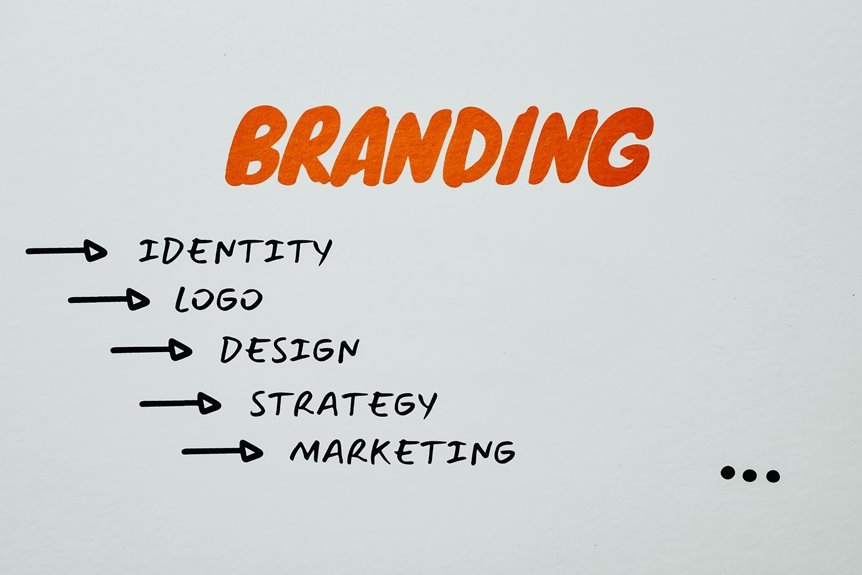
To grow online reach, the 636634795 marketing experts define clear baseline metrics, set precise reach goals, and map audience moments of influence. They favor a data-driven mix of owned, earned, and paid channels, paired with targeted experiments and rapid iterations. Cadence, content tactics, and measurement frameworks are aligned to sustain momentum. The approach promises measurable lift, but the next step requires action that reveals where the strategy breaks or succeeds. What will they test first to prove impact?
How to Define Your Brand Reach Goals
Defining brand reach goals starts with a precise baseline: understand current audience size, engagement, and channel performance to establish measurable targets. The analysis translates into a clear brand vision guiding expansion and consistency.
Audience mapping identifies segments, priorities, and moments of influence, enabling targeted experiments.
Decisions rest on data, not guesswork, fostering freedom through disciplined, outcome-focused goal setting and continuous optimization.
The Best Channels to Grow Your Online Presence
Selecting the right channels hinges on measurable impact: data shows that a mix of owned media, paid amplification, and earned visibility yields the strongest reach growth, with performance varying by audience, platform behavior, and content type.
The best channels emphasize brand amplification and audience targeting, aligning messaging with intent, allowing scalable growth while preserving authenticity and independence across owned, earned, and paid ecosystems.
Content and Campaign Tactics That Drive Engagement
By analyzing cross-channel performance data, brands can identify tactics that consistently lift engagement metrics such as click-through rates, time on site, and social interactions, then optimize creative formats, posting frequencies, and targeting to maximize resonance with defined audience segments.
This approach emphasizes audience targeting and content cadence, aligning creative choices with data-driven insights to sustain meaningful, freedom-friendly engagement across platforms.
Measuring, Testing, and Optimizing for Momentum
Measuring, testing, and optimizing for momentum centers on turning real-time performance signals into disciplined action. Data dashboards translate metrics into prioritized experiments, aligning brand consistency with audience segmentation to sustain growth. Rapid iteration, statistical rigor, and clear hypotheses convert insights into repeatable wins. The approach champions freedom by empowering teams to act decisively, minimizing waste and maximizing momentum across channels.
Conclusion
In summary, organizations that define precise reach goals and map audience moments achieve measurable momentum. A data-driven approach reveals that teams running rapid, hypothesis-driven tests see 2–3x faster iteration cycles and clearer path to scalable growth. One striking stat: brands that align content cadence with audience moments report up to a 42% lift in engagement within 90 days. By balancing owned, earned, and paid media, firms sustain authentic amplification and continuous improvement across ecosystems.
